
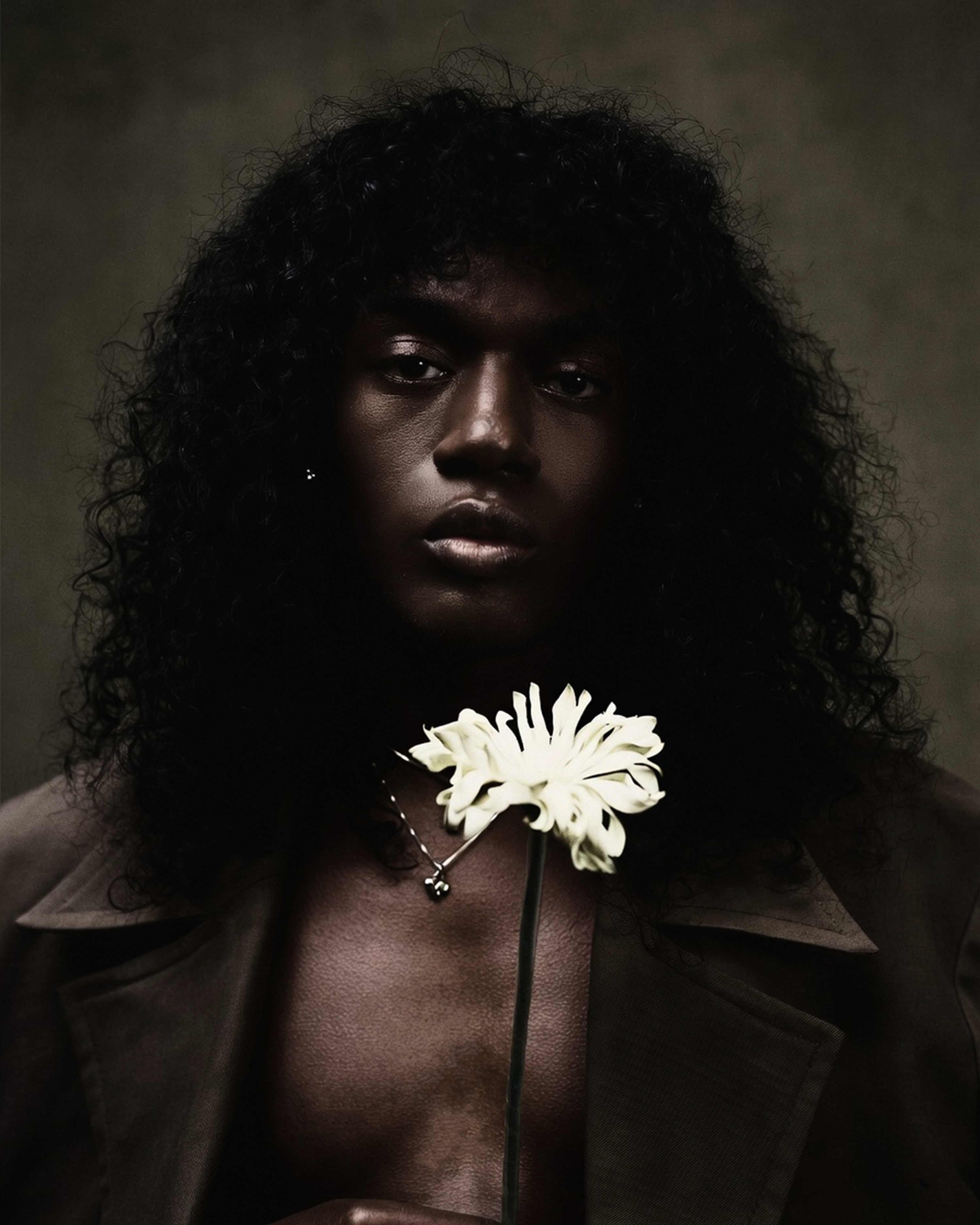
“I’m not a natural leader,” Choker says. “I’m not someone who, in any other circumstance, would get into a room and be the loudest person or the center of attention. So it takes a lot for me to step in that role, to project my voice out.”
I’m sitting with the singer-songwriter and self taught producer in the basement of 66 Greene as he describes the eerie sensation of the spotlight. Choker, who introduces himself to me as Chris, has just finished his cover shoot, and when we finally sit down alone, he is asking me questions about myself before I’ve even had the chance to set up my recorder. In the span of a few minutes, he is so naturally and disarmingly curious that I find myself mid-sentence about the way I made my way to interviewing him, having suddenly forgotten that I was supposed to be interviewing him and not the other way around. He takes his time to consider my questions with the same kind of gentle, curious humility that epitomizes his approach to music.
The now 30-year-old independent musician, born Christopher Lloyd, has been away for a while. He has spent the last 7 years in a chrysalis of sorts, quietly working to find his way back to an ever-increasingly elusive sense of satisfaction with his music, and refusing to emerge until he found it again. Last month, he finally released his new 11-track album Heaven Ain’t Sold, also announcing an accompanying tour.
I’m sitting with the singer-songwriter and self taught producer in the basement of 66 Greene as he describes the eerie sensation of the spotlight. Choker, who introduces himself to me as Chris, has just finished his cover shoot, and when we finally sit down alone, he is asking me questions about myself before I’ve even had the chance to set up my recorder. In the span of a few minutes, he is so naturally and disarmingly curious that I find myself mid-sentence about the way I made my way to interviewing him, having suddenly forgotten that I was supposed to be interviewing him and not the other way around. He takes his time to consider my questions with the same kind of gentle, curious humility that epitomizes his approach to music.
The now 30-year-old independent musician, born Christopher Lloyd, has been away for a while. He has spent the last 7 years in a chrysalis of sorts, quietly working to find his way back to an ever-increasingly elusive sense of satisfaction with his music, and refusing to emerge until he found it again. Last month, he finally released his new 11-track album Heaven Ain’t Sold, also announcing an accompanying tour.
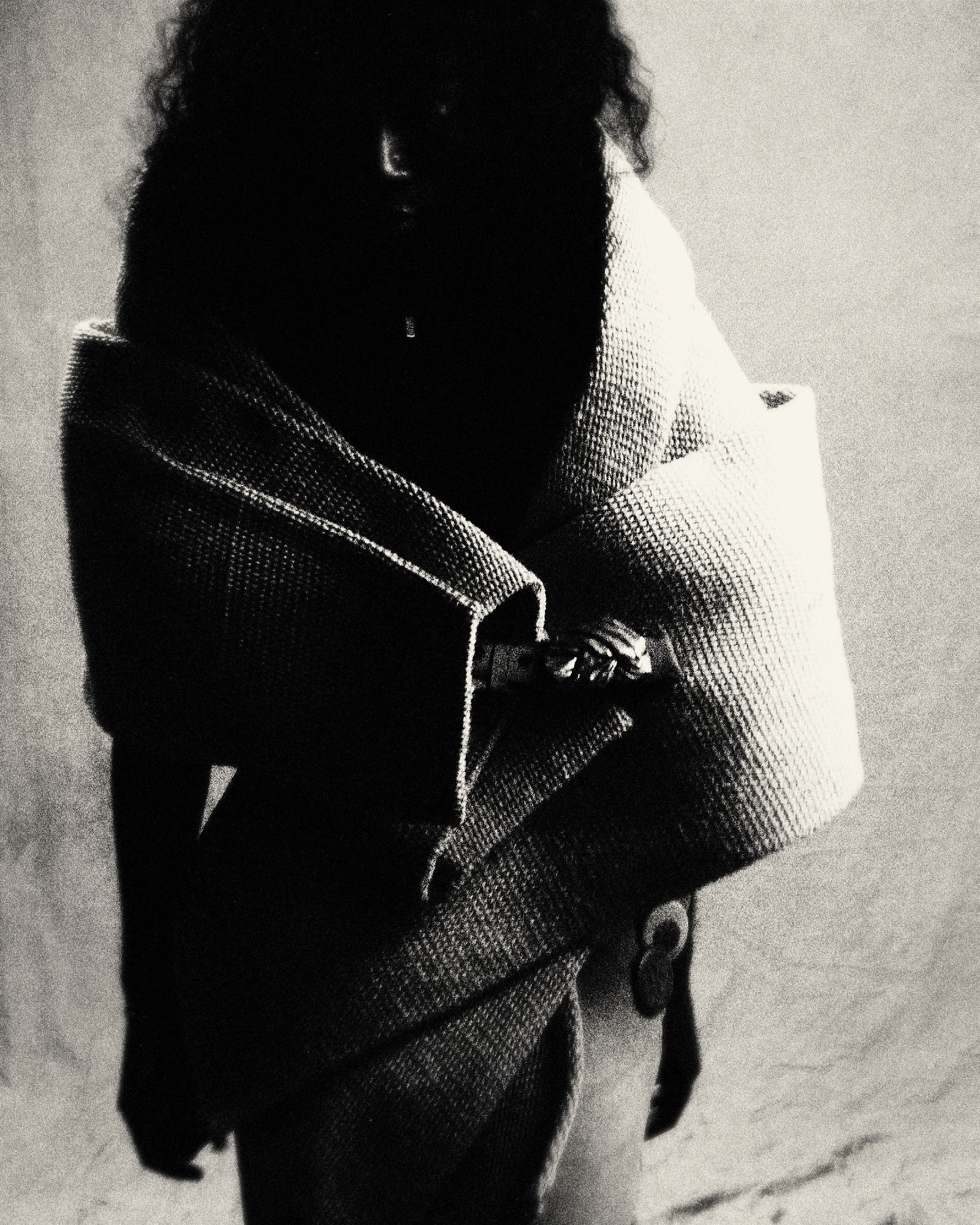
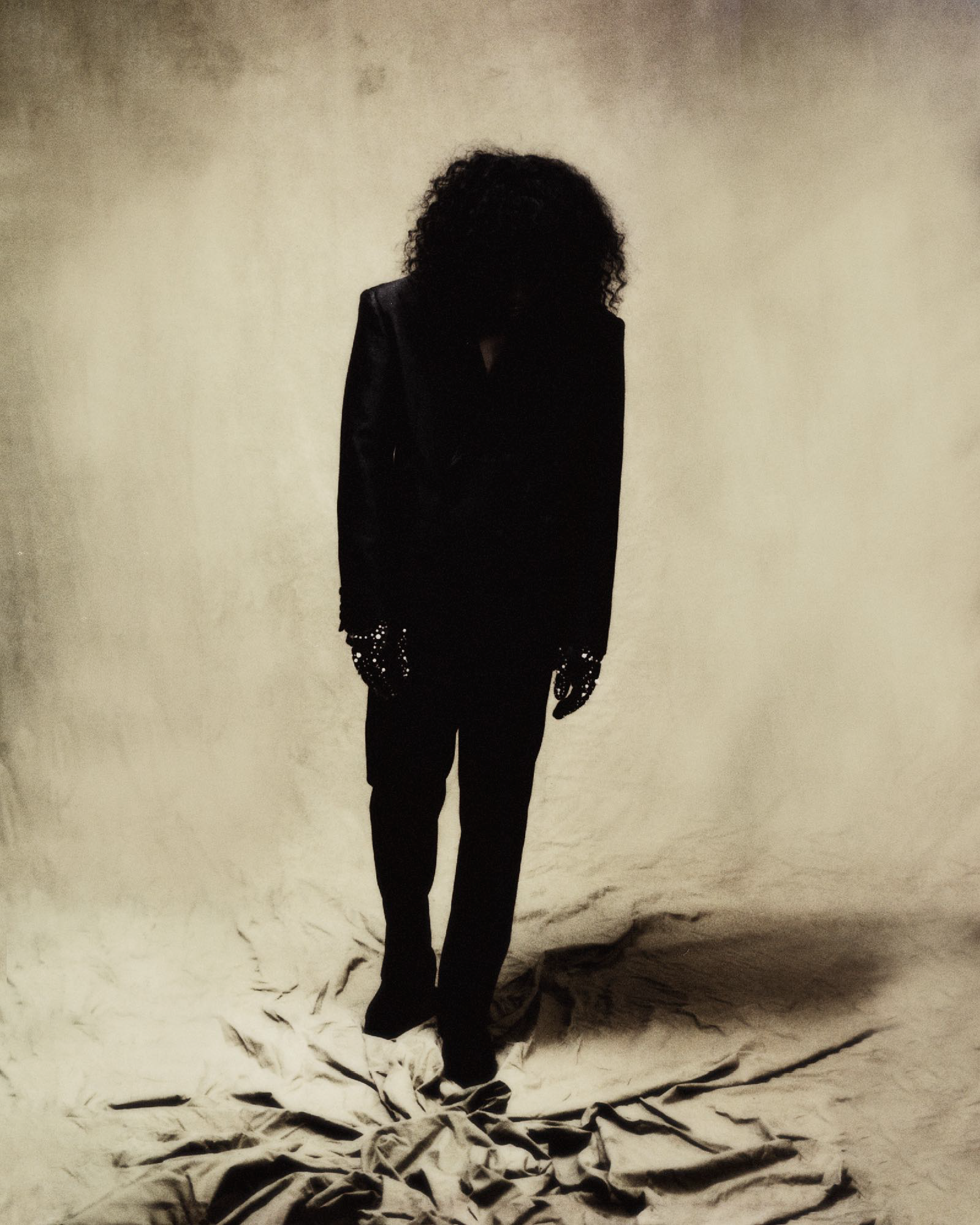
As he explains it to me, the reemergence of Choker was entirely downstream of an internal, involuntary metamorphosis that required him to surrender to the sometimes glacial pace of his own process. Over years of constantly making music, scrapping it, finding his flow and losing it again, he slowly was forced to revive his ability to enjoy the process whether or not he enjoyed that day’s outcome. “I probably learn more from when I make something and I don't really like it,” he says. “It’s a little bit clearer than when I make something and I really fuck with it — that can be harder to pin down.”
The title of his new album, Heaven Ain’t Sold, is a testament to patience; “I don't think there's anything convenient about heaven. If you're trying to get there, you’ve got to go through. You have to live life. You have to have your trials and tribulations that make you earn that.”
The title of his new album, Heaven Ain’t Sold, is a testament to patience; “I don't think there's anything convenient about heaven. If you're trying to get there, you’ve got to go through. You have to live life. You have to have your trials and tribulations that make you earn that.”
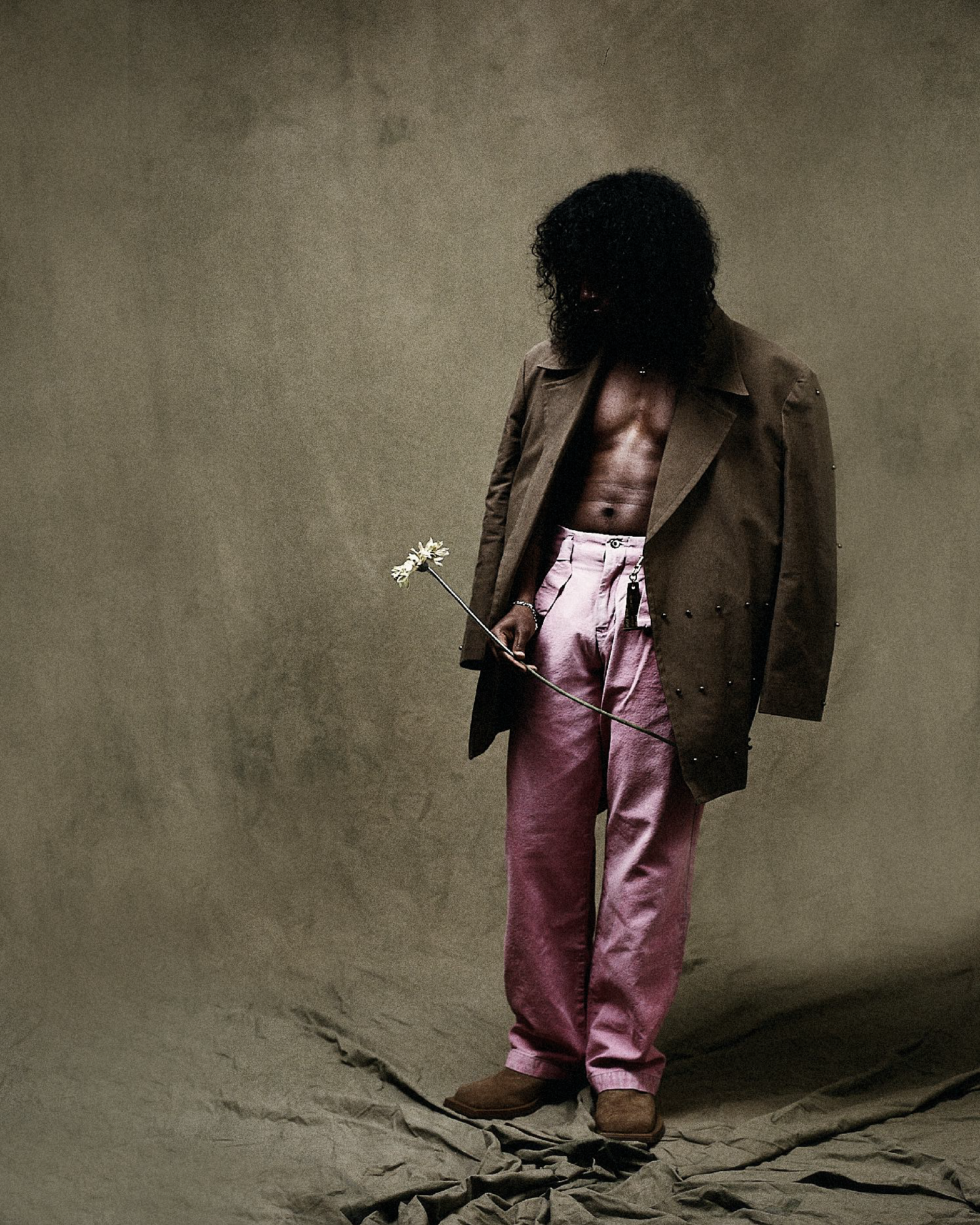
“I DON'T THINK THERE'S ANYTHING CONVENIENT ABOUT HEAVEN. IF YOU'RE TRYING TO GET THERE, YOU’VE GOT TO GO THROUGH. YOU HAVE TO LIVE LIFE. YOU HAVE TO HAVE YOUR TRIALS AND TRIBULATIONS THAT MAKE YOU EARN THAT.”
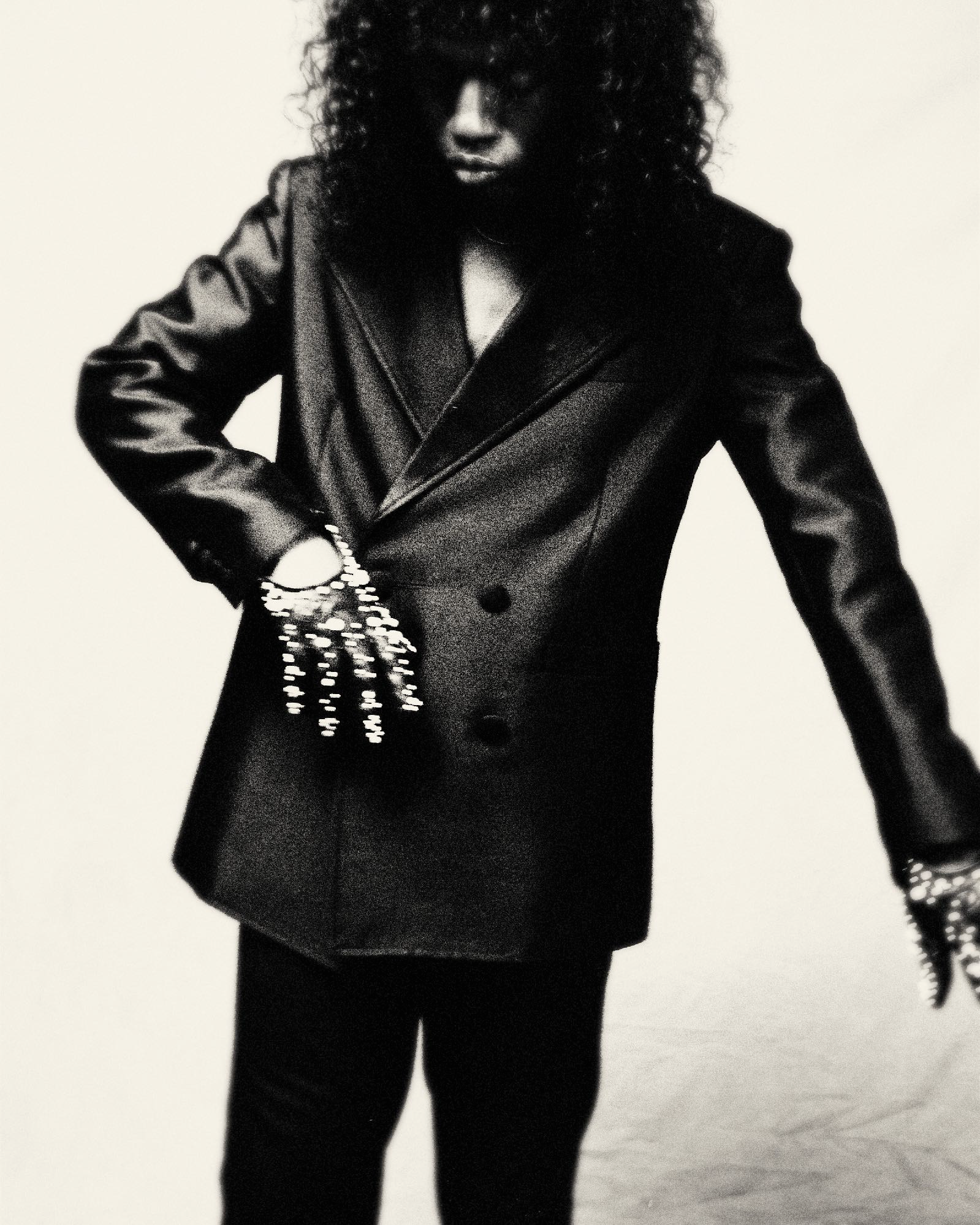
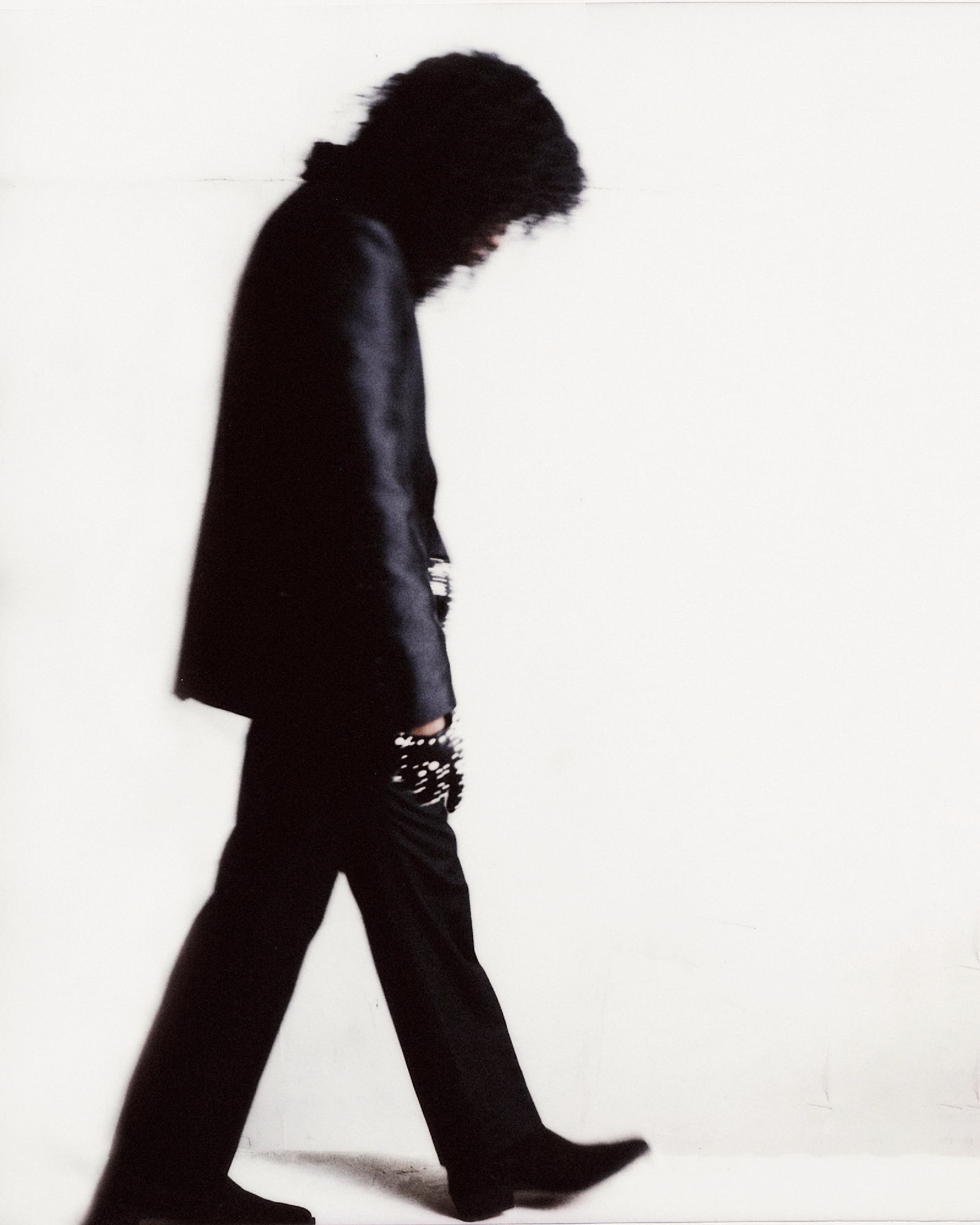
Lloyd released his first mixtape Die Slow in 2015, after teaching himself how to produce music on YouTube as an 18-year-old propelled by organic passion. “The ‘grind’ of music isn’t actually much of a grind to me - even when it wasn’t easy, or I was struggling with something, it was just infinitely fun. It was a challenge I was always up to,” he says. His debut album Peak followed two years later; and in 2018, he released Honeybloom, the album that would change his life. But after the success of that album and subsequent tour, Choker seemed to go silent.
Honeybloom won him a new and eager audience of supporters, an avalanche of praise, and a bevy of contract offers, but it also brought a newfound flood of attention to his life. In what felt like overnight, the already self-critical and reserved Chris became subject to the inspection of all of the eyes that had set their gaze on Choker; from the incessant comparisons to the alt- R&B and hip-hop vanguards of that heyday to the obsessive and scrutinizing devotion of his budding cult following that only intensified in response to his reclusiveness.
Honeybloom won him a new and eager audience of supporters, an avalanche of praise, and a bevy of contract offers, but it also brought a newfound flood of attention to his life. In what felt like overnight, the already self-critical and reserved Chris became subject to the inspection of all of the eyes that had set their gaze on Choker; from the incessant comparisons to the alt- R&B and hip-hop vanguards of that heyday to the obsessive and scrutinizing devotion of his budding cult following that only intensified in response to his reclusiveness.
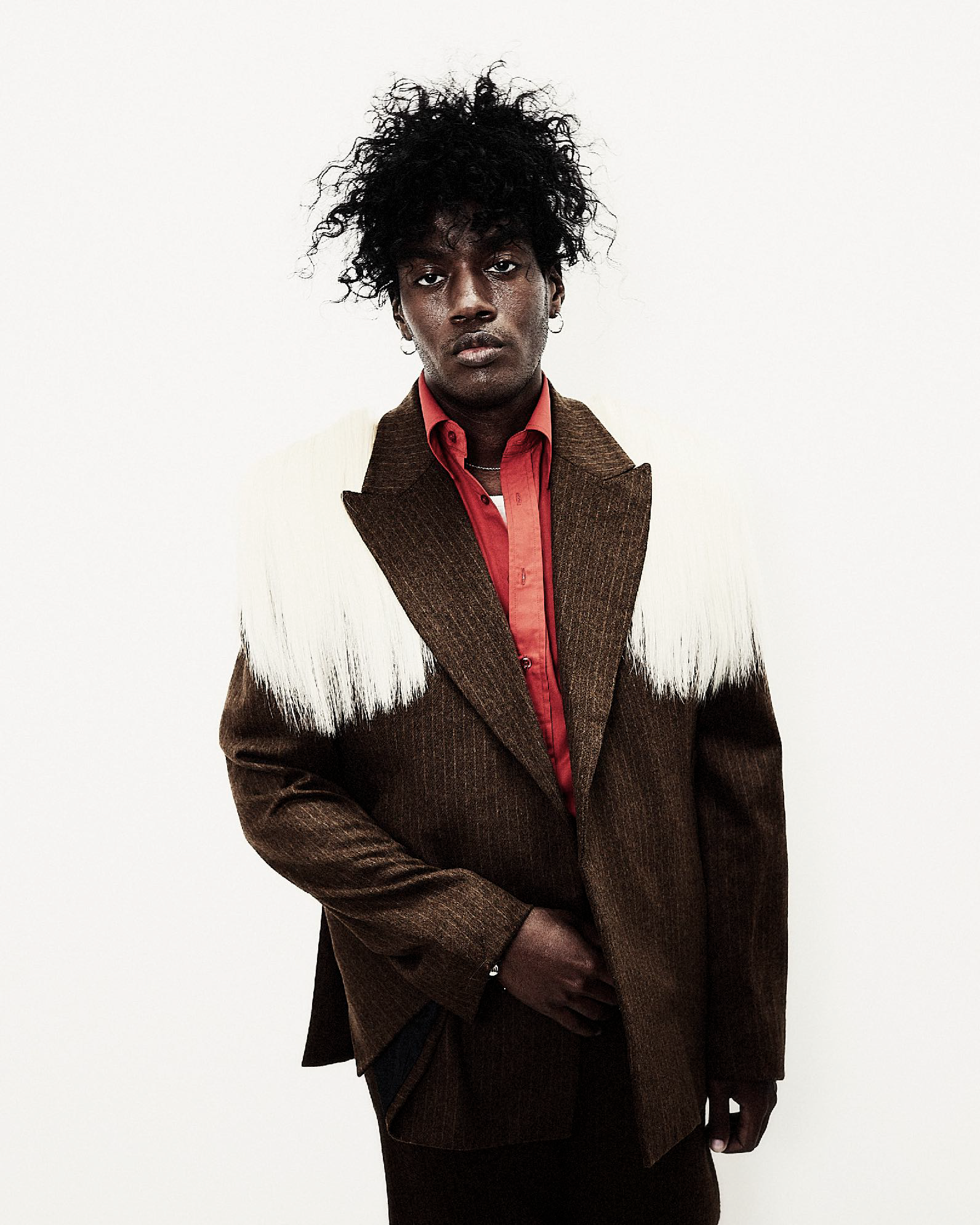
His first rehearsal for the Honeybloom tour was the first time he had ever –- ever –- performed live for other people, singing in front of his manager and his friend. “Even just doing that in front of two people, I was like, Oh my God, I feel crazy.” The shows that followed thrust Choker into a position he felt underprepared for, facing the learning curve of becoming a performer and simultaneously attempting to process both the blessings and consequences of the dreams he had fulfilled.
“It was all such a big shock to my system, in both positive and negative ways,” he remembers. He felt the unanticipated pressure of not just superficial expectations but legitimate debt; “To some extent, I do owe people something. They spent their money to come see me.”
“There's a power to [performing] that can also be kind of frightening,” he describes, recalling how dissociative the first tour felt. “But I also don't want to be [onstage] and feel like I'm cowering away from my role, you know? We're all equals, all playing our roles at any given moment, and just in that moment, I'm the person who is in charge of the literal vibrations in the room. I'm in service to music, I'm in service to sound and the way that it can positively affect people. I want that to be the focus, rather than it being that I’m some sort of celebrity. That's just not what it's about to me.”
“It was all such a big shock to my system, in both positive and negative ways,” he remembers. He felt the unanticipated pressure of not just superficial expectations but legitimate debt; “To some extent, I do owe people something. They spent their money to come see me.”
“There's a power to [performing] that can also be kind of frightening,” he describes, recalling how dissociative the first tour felt. “But I also don't want to be [onstage] and feel like I'm cowering away from my role, you know? We're all equals, all playing our roles at any given moment, and just in that moment, I'm the person who is in charge of the literal vibrations in the room. I'm in service to music, I'm in service to sound and the way that it can positively affect people. I want that to be the focus, rather than it being that I’m some sort of celebrity. That's just not what it's about to me.”
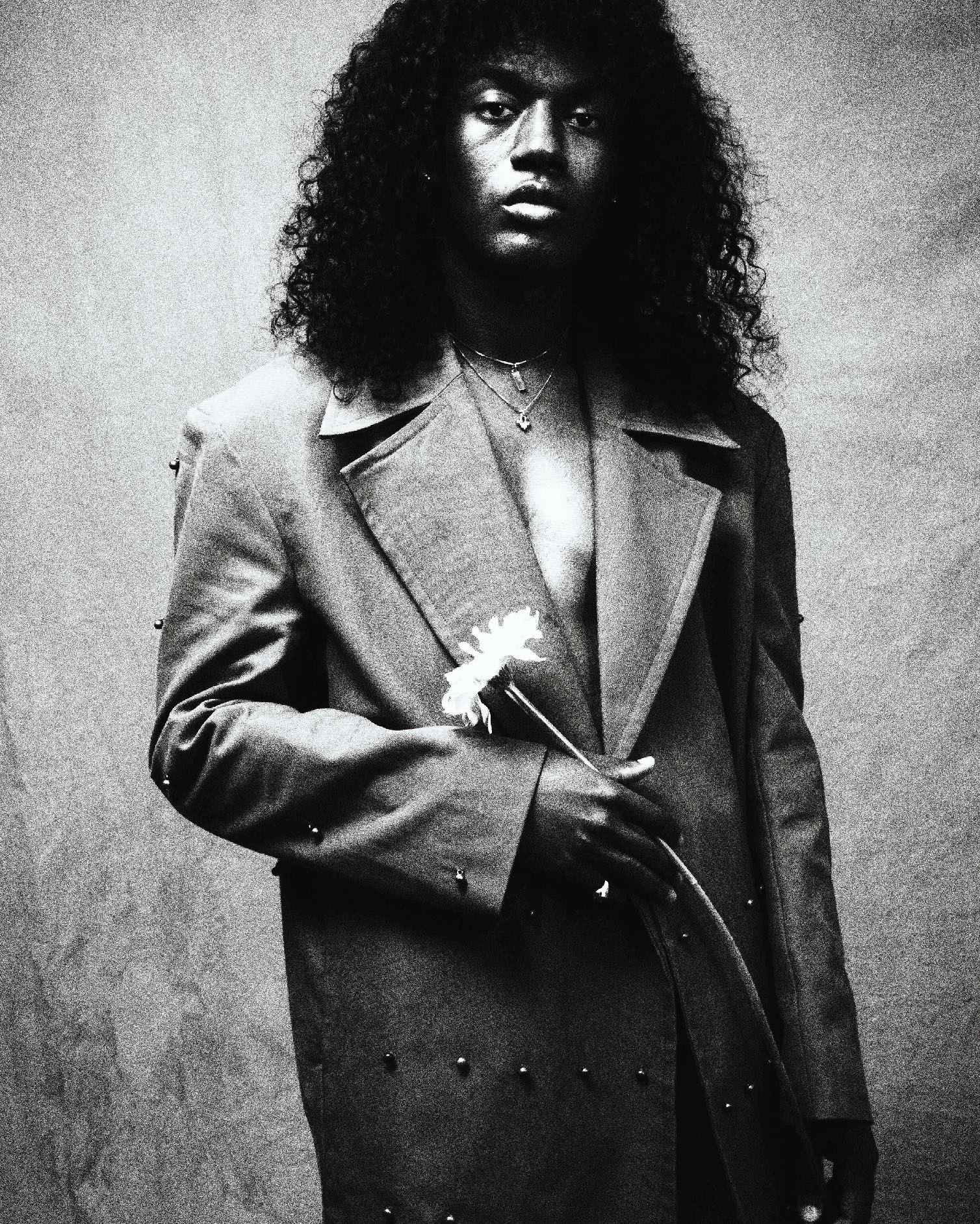
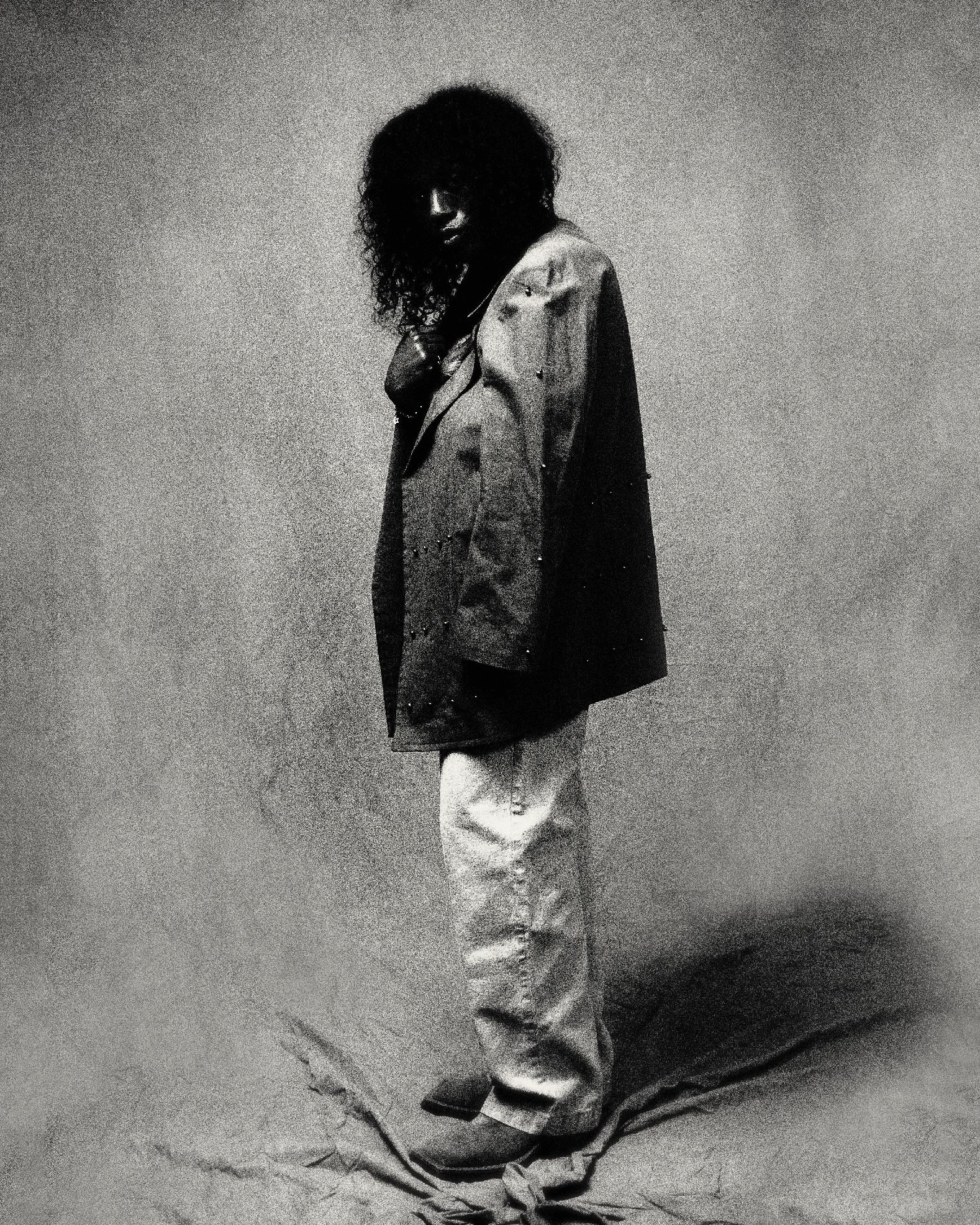
“I'M IN SERVICE TO MUSIC, I'M IN SERVICE TO SOUND AND THE WAY THAT IT CAN POSITIVELY AFFECT PEOPLE”
He describes how he doesn’t even feel like he can take credit for his humility, because he genuinely feels his identity melt away onstage; “it's all a rush of energy, of sound. It really feels like time travel, like time doesn't exist.”
Choker is looking forward to touring now, feeling better equipped with healthy ways to approach the stark emotional highs and lows. He says leaning into gratitude is his best grounding strategy, constantly reminding himself to appreciate the significance of each and every person that makes the effort to come to watch one of his shows.
In “Radio Freestyle,” one of the tracks from Heaven Ain’t Sold, Choker sings, “Got a few things I wasn't ready for / and they looked just like my dreams.” I ask him if he feels more ready now. “Oh, man, to an extent,” he says. “There are some things that I’ll never be ready for, things that don’t serve me as an adult, and don't have anything to do with what I want to do. The things that I am ready for, it took time for me to learn that those actually are for me, and make sense for my life. I'm privileged to have the freedom to just say no to things. I'm trying to not to have survivor's guilt about my ability to do what I want to do, and also to recognize that that privilege has come from a lot of work and a lot of a lot of growth. I didn't start there, you know?”
Choker is looking forward to touring now, feeling better equipped with healthy ways to approach the stark emotional highs and lows. He says leaning into gratitude is his best grounding strategy, constantly reminding himself to appreciate the significance of each and every person that makes the effort to come to watch one of his shows.
In “Radio Freestyle,” one of the tracks from Heaven Ain’t Sold, Choker sings, “Got a few things I wasn't ready for / and they looked just like my dreams.” I ask him if he feels more ready now. “Oh, man, to an extent,” he says. “There are some things that I’ll never be ready for, things that don’t serve me as an adult, and don't have anything to do with what I want to do. The things that I am ready for, it took time for me to learn that those actually are for me, and make sense for my life. I'm privileged to have the freedom to just say no to things. I'm trying to not to have survivor's guilt about my ability to do what I want to do, and also to recognize that that privilege has come from a lot of work and a lot of a lot of growth. I didn't start there, you know?”
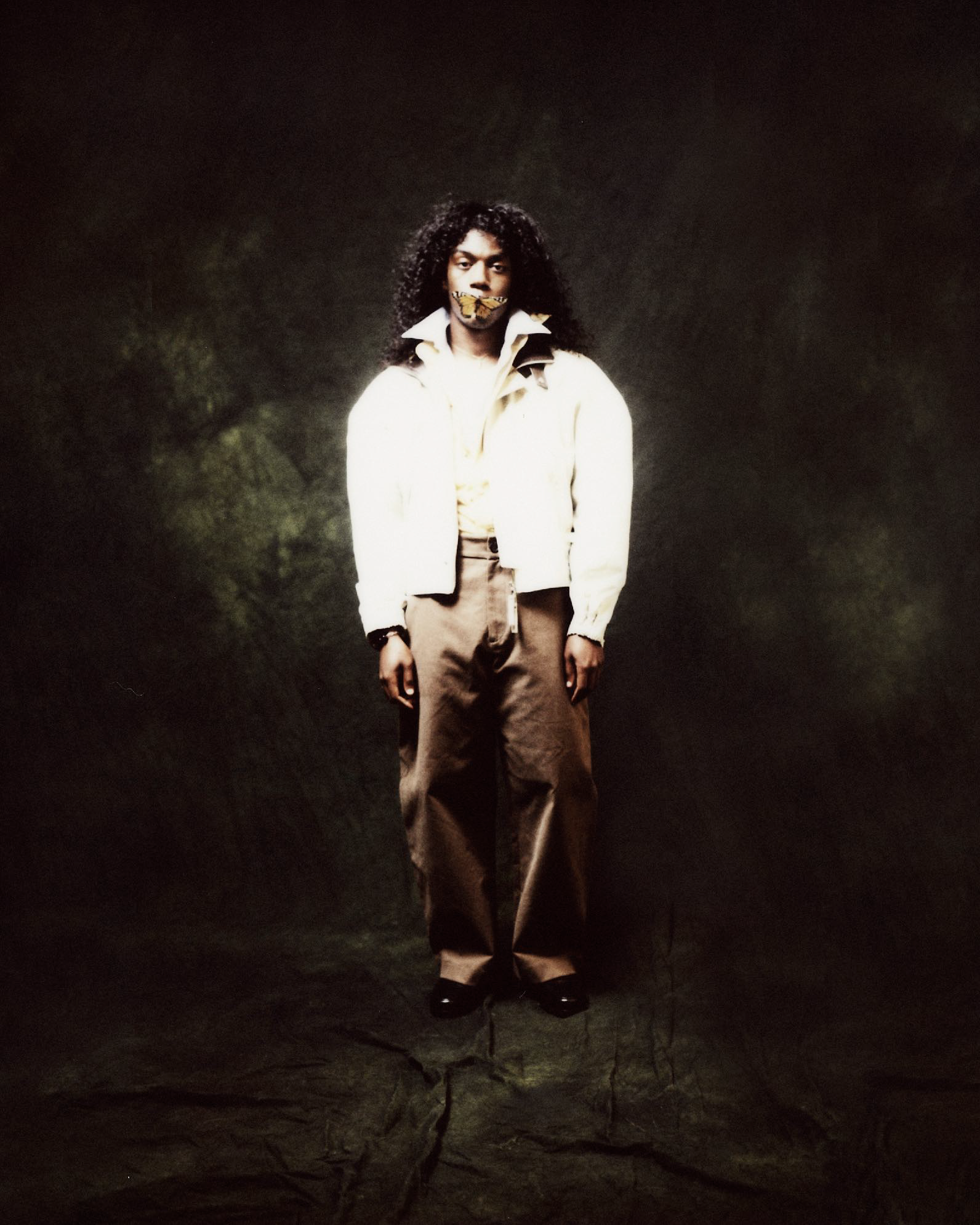
The Chris of today has accepted the mantle of his gift and the role he has been given as Choker. His humility hasn’t gone anywhere, but that humility is freer of insecurity and uncertainty. And while he says he hopes he won’t find himself in such a long stretch of time between releasing music again, he also understands that it might not be up to him — and he has accepted that too.


